
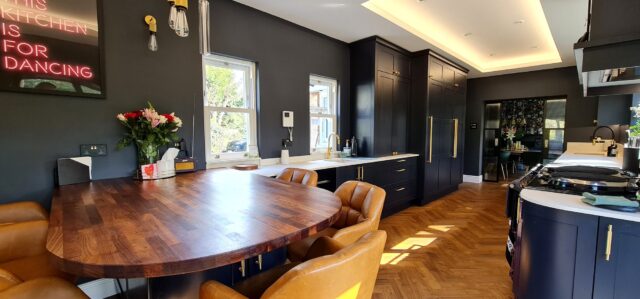
Sustainable kitchen design isn’t just a trend—it’s a commitment to creating a healthier home and planet. As more homeowners become aware of the environmental impact of their choices, integrating sustainable practices into kitchen design is increasingly important. From eco-friendly materials to energy-efficient appliances, every decision made during kitchen installation can contribute to a greener lifestyle. In this blog, we’ll explore why sustainable kitchen design matters and how you can create an environmentally friendly space that doesn’t compromise on style or functionality.
Why Choose a Sustainable Kitchen Design?
Sustainable kitchen design goes beyond aesthetics; it’s about making choices that benefit both your home and the environment. By using eco-friendly materials, energy-saving appliances, and mindful design strategies, you can significantly reduce your kitchen’s carbon footprint. Not only does this approach help conserve resources, but it also enhances the longevity of your kitchen, making it a wise investment for the future.
A sustainable kitchen isn’t just good for the planet; it also supports a healthier home environment. Many conventional materials and finishes contain harmful chemicals that can affect indoor air quality. Sustainable alternatives, such as low-VOC paints and natural materials, ensure that your kitchen is a safe and healthy space for your family.
Key Elements of a Sustainable Kitchen Design
- Eco-Friendly Materials
Choosing sustainable materials is a cornerstone of green kitchen design. Opt for countertops made from recycled glass, reclaimed wood, or eco-friendly composites like bamboo and mycelium tiles. Mycelium, made from the fibers of mushrooms, offers a 100% biodegradable and renewable alternative to traditional flooring materials. Terracotta tiles, made from natural clay, are another durable, sustainable option that adds warmth and character to any kitchen.
- Energy-Efficient Appliances
Energy-efficient appliances are vital to any sustainable kitchen. Look for appliances with high energy ratings (such as A+++), which consume less power and water compared to older models. Induction hobs, for instance, are more energy-efficient than gas or electric stovetops, as they heat only the cookware directly. Similarly, hot taps provide instant boiling water, saving energy and reducing water wastage compared to traditional kettles.
- Water Conservation
Water conservation is another critical aspect of sustainable kitchen design. Consider installing low-flow taps and water-efficient dishwashers that minimise water usage without sacrificing performance. Simple changes, such as using eco-mode on your dishwasher or installing a water-saving aerator, can make a significant difference in your kitchen’s overall water consumption.
- Sustainable Kitchen Installation Practices
When planning your kitchen installation, think about the broader impact of your choices. Opt for cabinets made from sustainably sourced wood or recycled materials. Freestanding kitchen designs offer flexibility and reduce waste by allowing you to update individual pieces without a complete overhaul. Reusing or repurposing existing furniture, such as vintage cabinets or reclaimed countertops, can also add character while cutting down on waste.
- Smart Lighting Solutions
Lighting plays a vital role in both the functionality and sustainability of your kitchen. Switching to LED bulbs can reduce energy consumption by up to 90% compared to traditional incandescent bulbs. Smart lighting solutions, such as motion sensors or smart bulbs, can further enhance energy efficiency by ensuring lights are only on when needed. This not only saves energy but also reduces electricity costs over time.
- Waste Reduction and Management
A sustainable kitchen design doesn’t stop at the installation—it extends to daily habits. Implementing a waste management system, including composting bins and dedicated recycling areas, helps reduce the amount of waste sent to landfills. Using biodegradable cleaning products and reusable kitchen items, like beeswax wraps instead of plastic wrap, further supports an eco-friendly lifestyle.
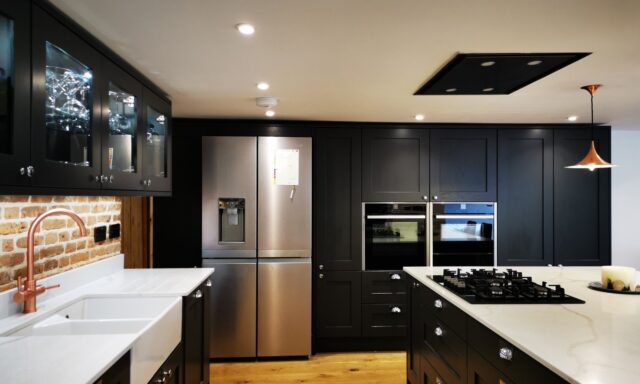
The Long-Term Benefits of a Sustainable Kitchen
Investing in sustainable kitchen design is not just about the immediate impact; it’s about creating a long-lasting space that grows with you. Eco-friendly materials and energy-efficient appliances often have longer lifespans, reducing the need for frequent replacements and lowering long-term costs. Moreover, sustainable kitchens can enhance the value of your home, appealing to eco-conscious buyers who prioritise green living.
By embracing sustainable kitchen design, you’re making a commitment to the environment and your well-being. Every step—from the initial design choices to the final installation—plays a part in building a better, more sustainable future. So, as you plan your next kitchen renovation, consider how each decision can make your home a little greener.
Creating a sustainable kitchen is a rewarding journey, one that not only transforms your home but also contributes to a healthier planet for generations to come.